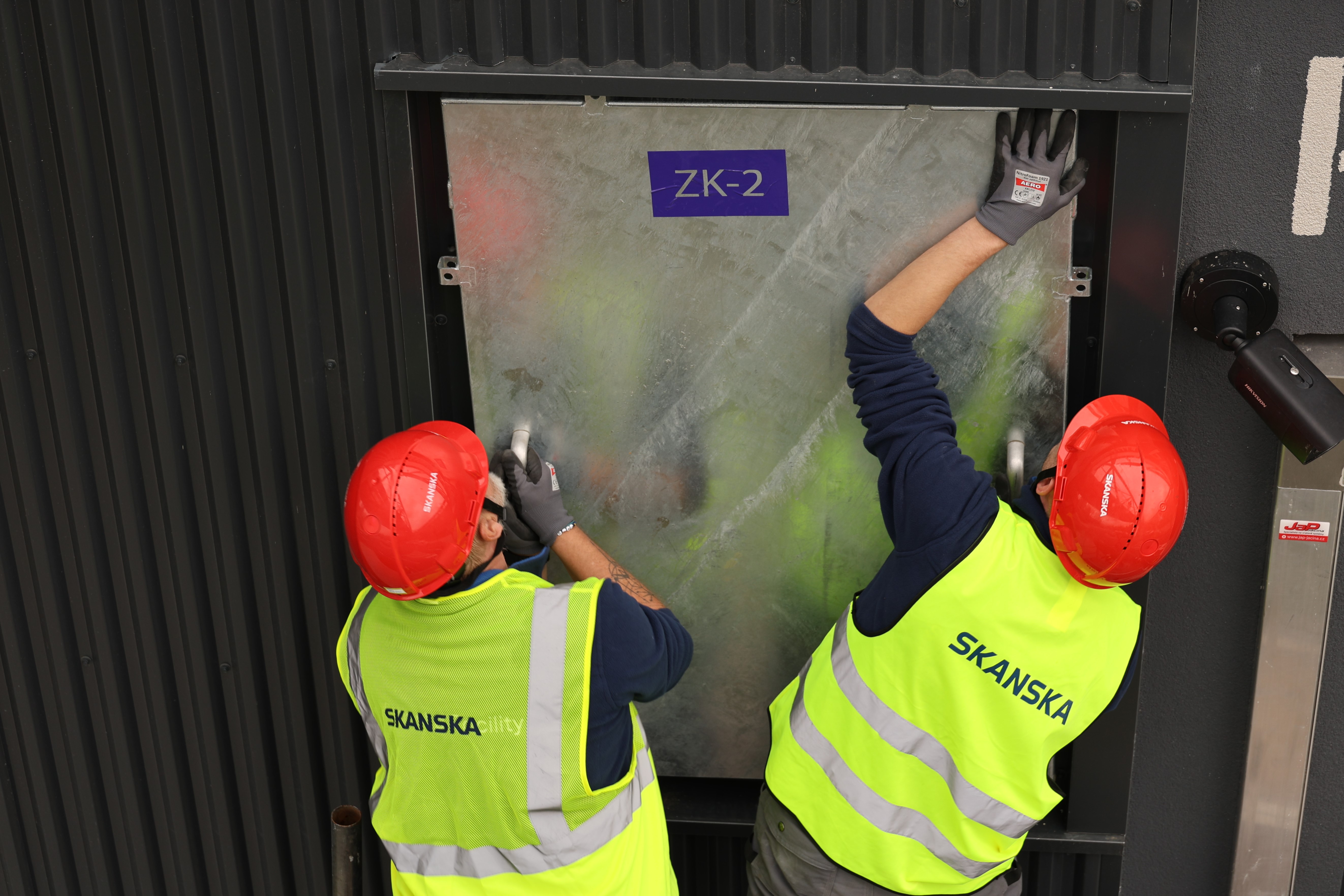
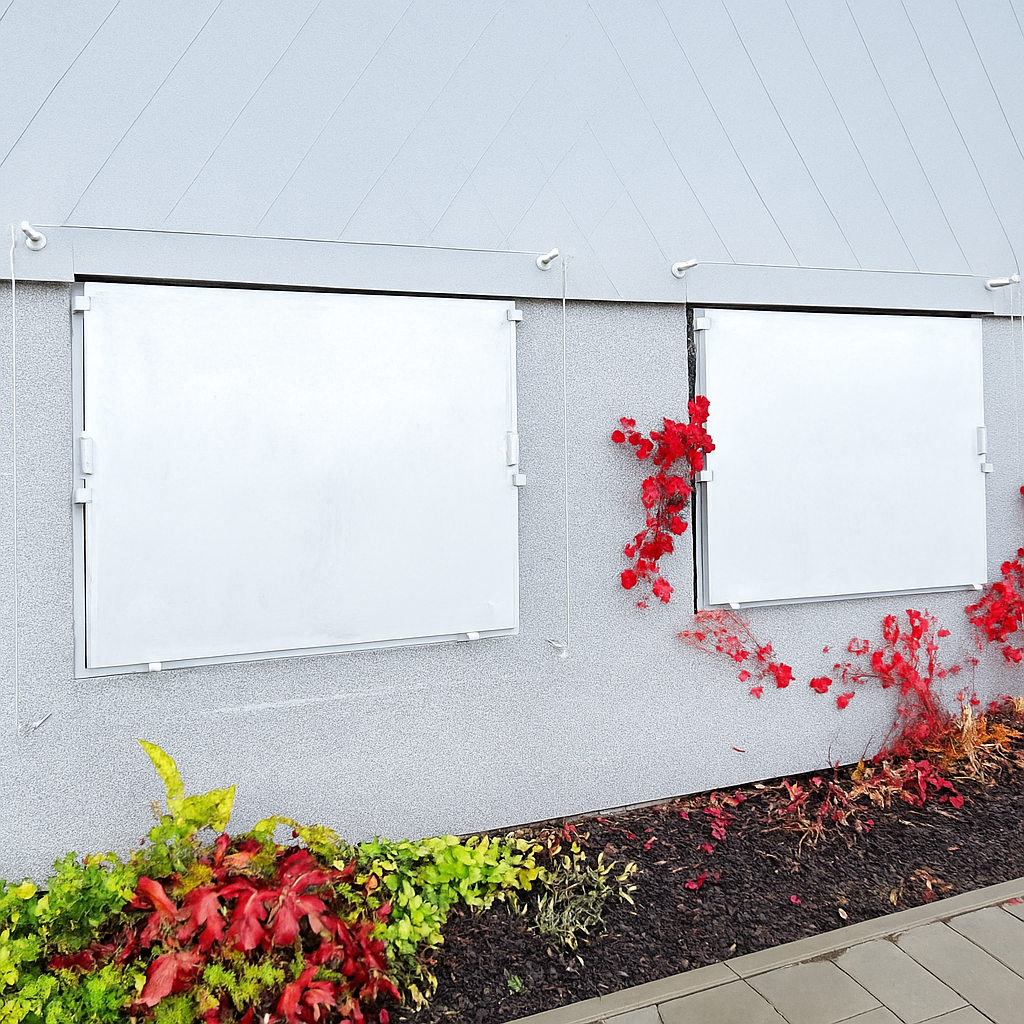
The flood protection sealing cover provides a practical solution for quickly and reliably sealing wall openings against water ingress during flooding. Designed as a temporary flood protection measure, it can be easily installed, removed and reused.
Thanks to its customisable dimensions and design, the cover can be tailored to the specific requirements of each opening. Its lightweight construction also allows for easy handling and rapid deployment when flood protection is required.
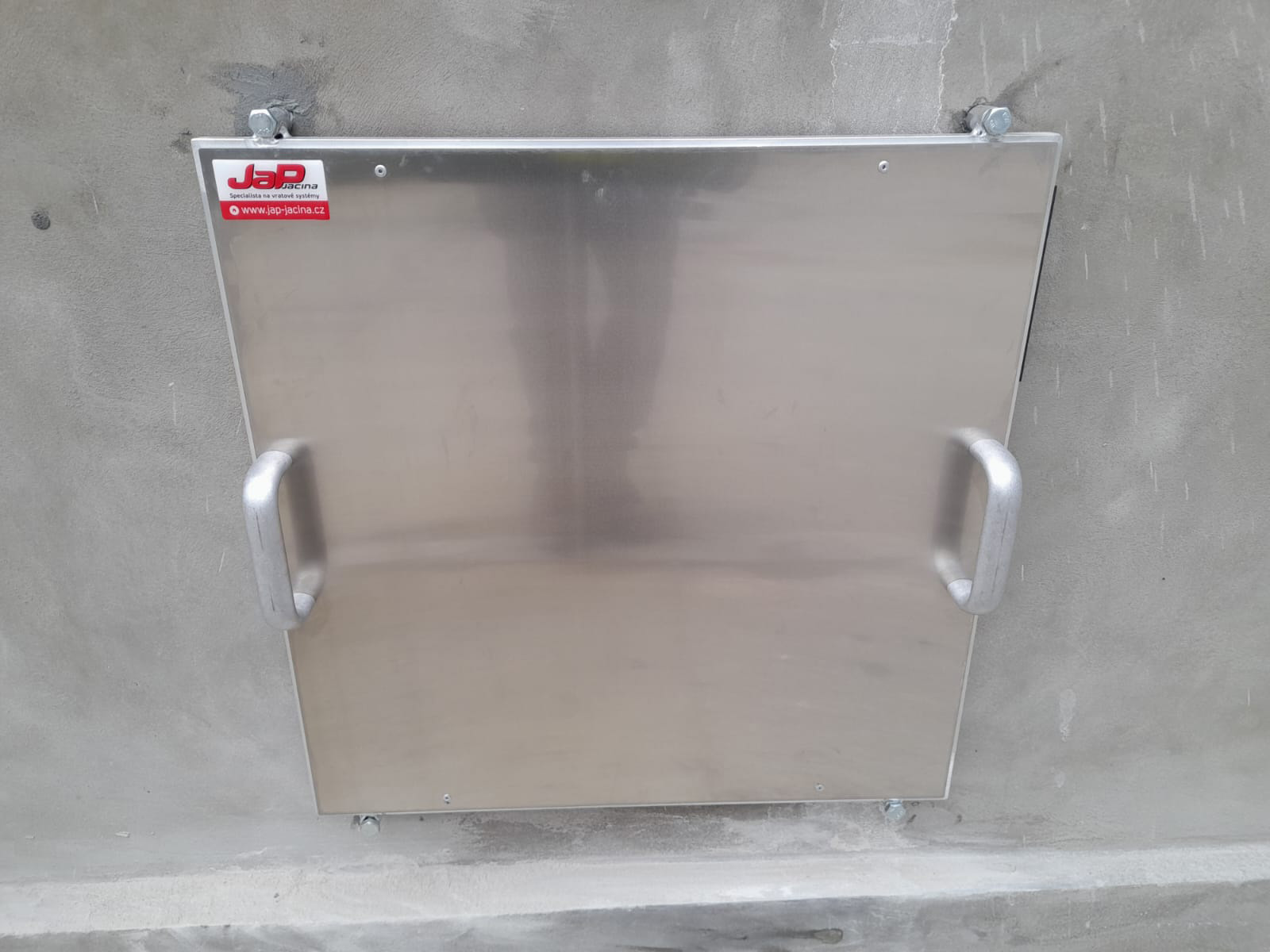
Installing the sealing cover requires no special tools or complicated procedures. The cover is secured using mounting bolts that can be tightened with standard tools supplied with the product.
This allows the cover to be quickly installed when flooding threatens and easily removed once the flood risk has passed.
Sealing covers are manufactured to meet individual customer requirements. In addition to the dimensions, the shape and structural design can also be customised according to the size of the protected opening and the required water column height.
The cover is available in a standard natural finish, with custom colours from the RAL chart available upon request.
To ensure maximum watertightness, a stainless steel strip is normally installed on the wall around the opening, providing a flat, easy-to-maintain sealing contact surface for the cover's gasket.
The strip is secured using mechanical anchors, without the need for excessive chemical adhesives. This arrangement helps ensure reliable sealing of the protected opening.
The cover's low weight relative to its size makes it easy to transport from storage to the installation site.
Integrated handling grips improve safety during handling and make both installation and removal easier.
The sealing cover is designed for repeated use with minimal maintenance requirements. After removal, it simply needs to be washed with clean water and stored until it is required again.
This makes it a practical flood protection solution for buildings and facilities requiring temporary protection against recurring flood risks.